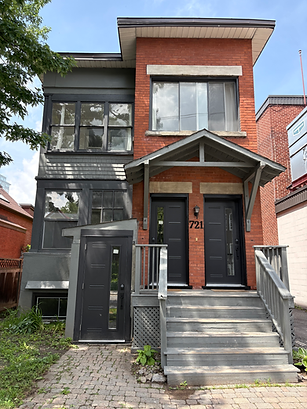
Condo vs. Townhouse in Ottawa: Which Is Better to Buy?

Buying your first home in Ottawa often comes with an important decision: should you purchase a condominium apartment or a townhouse?
Both options can offer an entry point into homeownership, but they differ in price, maintenance responsibilities, monthly expenses and lifestyle. The right choice depends on your budget, how much space you need, your willingness to handle maintenance and your long-term plans.
In this guide, we break down the differences to help you make a more informed decision.

Is it better to buy a condo or townhouse in Ottawa?
A condo apartment may suit buyers who prefer a smaller living space and less direct responsibility for exterior maintenance. A townhouse may be a better fit for buyers who want more space, multiple levels or a more house-like layout.
Neither option is automatically more affordable. The total cost depends on the purchase price, condo fees, property taxes, insurance, utilities, maintenance and financing.
Before deciding, compare the full monthly cost of owning each property.
1. Purchase price: Which costs less?
Condominium apartments often have a lower purchase price than townhouses, although location, size, building age and amenities can significantly affect the price.
Townhouses may cost more because they often provide additional living space, multiple floors and sometimes a private outdoor area.
2. Monthly costs: Don’t overlook condo fees
One of the biggest differences between condos and townhouses is how shared expenses and maintenance are handled.
Condo fees may cover certain common expenses, such as building maintenance, shared facilities, landscaping and snow removal. What’s included depends on the condominium corporation.
Townhouse expenses vary depending on the type of ownership. Some townhouses are condominiums with monthly fees; others are freehold properties where the owner is responsible for more exterior maintenance.
Before buying, ask for a complete breakdown of expected monthly costs.
Expense | Condo apartment | Townhouse |
Mortgage payment | Depends on financing | Depends on financing |
Property taxes | Applicable | Applicable |
Condo fees | Usually applicable | Depends on ownership type |
Exterior maintenance | Often managed through the condo corporation | May be the owner’s responsibility |
Utilities | Depends on the building | Depends on the property |
Home insurance | Coverage suited to condo ownership | Coverage suited to ownership type |
Don’t assume that a property with a lower purchase price will always be cheaper to own.
3. Maintenance: Which is easier to manage?
Condo apartment owners generally have fewer direct exterior maintenance responsibilities because certain shared areas and building components are managed through the condominium corporation.
However, condo ownership still requires reviewing the building’s condition, financial health, reserve fund and planned repairs. Major building expenses can affect owners through increased fees or special assessments.
With a freehold townhouse, owners are generally responsible for maintaining their property, including applicable exterior components, roofing, landscaping and snow removal. A townhouse can provide more independence, but that independence comes with additional responsibility.
Before buying a condo: Review the status certificate with your lawyer and understand the condominium corporation’s financial position, rules, fees and anticipated expenses.
Before buying a townhouse: Confirm whether it’s freehold or condominium ownership, identify your maintenance obligations and budget for future repairs.
4. Space, privacy and lifestyle
Your preferred lifestyle is just as important as the financial comparison.
A condo apartment may suit you if you:
Prefer a smaller, more manageable living space.
Want to avoid most direct exterior maintenance.
Value building amenities, if available.
Prefer a central location or convenient access to services.
Don’t need a private yard.
A townhouse may suit you if you:
Need additional bedrooms or living space.
Want multiple floors or a more house-like layout.
Prefer some outdoor space, depending on the property.
Need room for a growing family or home office.
Are comfortable taking on additional maintenance where required.
Think about how you’ll use the home over the next five to ten years, not just how it suits your current situation.
5. Resale value: Which is the better investment?
Neither condos nor townhouses guarantee better appreciation. Resale performance depends on factors such as location, supply, buyer demand, property condition, monthly costs and the broader housing market. When evaluating resale potential, consider the property’s specific location, condition, competing listings and likely future buyer pool.
6. Which is better for first-time home buyers?
The better option is the one that fits your finances and lifestyle without leaving you stretched. A condo may allow you to enter the market at a lower purchase price, but you must account for monthly fees and the possibility of future increases.
A townhouse may provide more room to grow, but the purchase price and maintenance responsibilities could be higher.
First-time buyers should compare:
The total cash required to close.
The monthly cost of ownership.
The amount left for emergencies and repairs.
The property’s condition and likely future expenses.
How long they expect to live there.
The ease of resale if their needs change.
A mortgage pre-approval can help establish your budget, but your personal budget should also leave room for everyday living and unexpected expenses.
7. What should you check before making an offer?
Whether you’re buying a condo or townhouse in Ottawa, make sure you understand the property before committing.
For a condo apartment, review the status certificate, condominium fees, reserve fund information, governing documents, insurance arrangements and any known special assessments with your lawyer.
For a townhouse, confirm the ownership type, maintenance responsibilities, property boundaries where relevant, condition of major components and any applicable condominium documents or fees.
For either property, consider a professional inspection and appropriate financing or other conditions in your offer.
Your real estate professional and lawyer can help you understand the process and identify questions that need to be addressed before closing.
So, should you buy a condo or townhouse in Ottawa?
A condo apartment may be the right choice if you prioritize a potentially lower entry price and fewer direct maintenance responsibilities.
A townhouse may be the better fit if you value additional space, a house-like layout and, depending on the property, outdoor living.
The most important comparison isn’t simply the purchase price. It’s the total cost, responsibilities and lifestyle that come with ownership.
We help buyers across Ottawa, Orléans, Clarence-Rockland, Russell, Embrun, Casselman and surrounding communities compare properties and make confident decisions.
Not sure which type of home is right for you? Contact us to discuss your budget, priorities and the options available in your preferred neighbourhood.
Frequently Asked Questions
Are condo fees worth paying in Ottawa?
They can be, depending on what they cover and the building’s financial health. Review the services included, reserve fund, fee history and potential future expenses before deciding.
Are townhouses cheaper than detached houses in Ottawa?
Townhouses may have a lower purchase price than detached homes, but the difference depends on the neighbourhood, property size, age and ownership type.
Can a townhouse have condo fees?
Yes. Some townhouses are condominium properties with shared expenses and monthly fees. Freehold townhouses generally have different maintenance responsibilities.
Which is easier to maintain: a condo or a townhouse?
A condo apartment generally has fewer direct exterior maintenance responsibilities. A townhouse owner’s obligations depend on whether it’s freehold or condominium ownership and on the property’s specific arrangements.
Is a condo or townhouse better for resale?
Neither is universally better. Location, purchase price, property condition, supply, buyer demand and ongoing ownership costs all influence resale potential.
Contact us for a personalized discussion about your options in the Ottawa and Eastern Ontario market.

Jazz Dicaire
613.830.3350